
OLD TOWN CANOE
BUYING GUIDE
HOW TO CHOOSE A CANOE
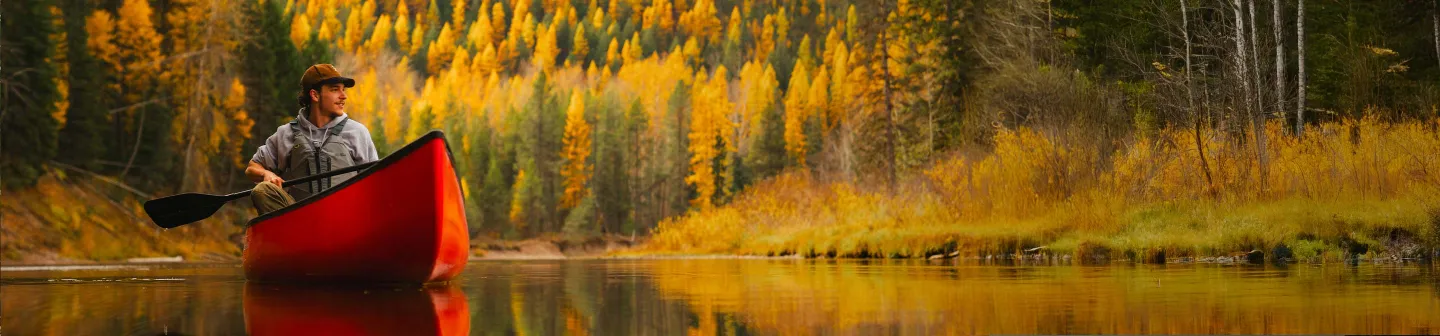
Born on the banks of the Penobscot River in 1898, Old Town canoes are made for explorers who aren’t afraid to push off into the unknown. With generations of craftsmanship behind us, each boat is built to go farther. Explore our buying guide to find your perfect match for the wild.
Canoes for any activity
Rec and fitness canoes are ideal for calm lakes and slow‑moving rivers, offering dependable stability for family outings, casual paddling, or fishing trips. Built with durable materials and easy‑to‑handle designs, these canoes deliver affordable, worry‑free fun for paddlers of all experience levels.

Designed to carry extra gear while handling both moving and flat water with confidence, touring and tripping canoes are perfect for longer trips. These versatile models offer efficient tracking, added storage capacity, and dependable performance, making them the perfect choice for extended paddling adventures.

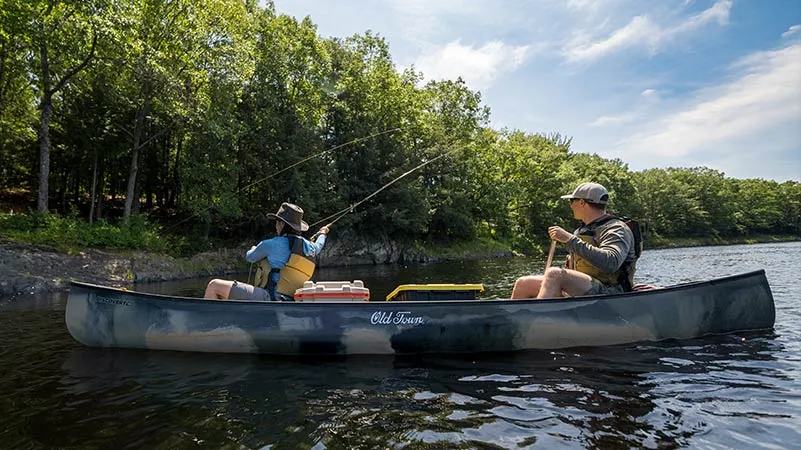
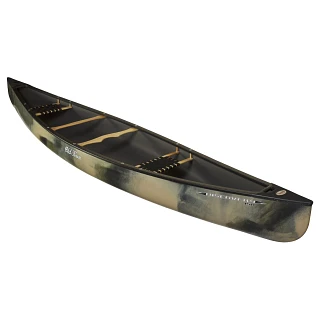
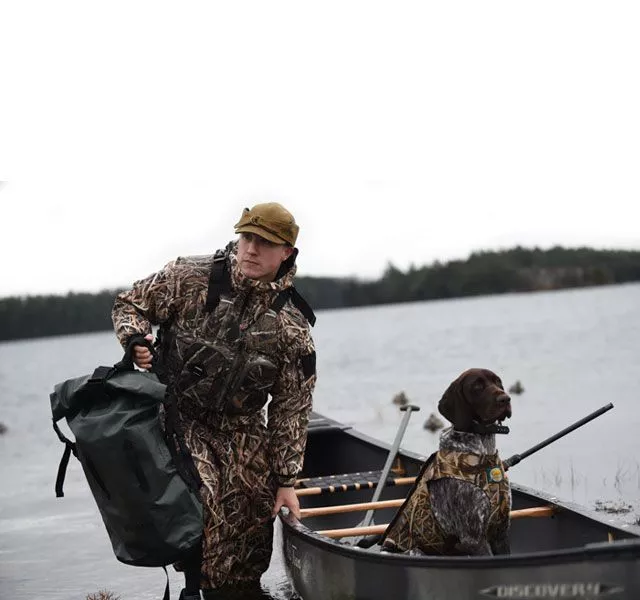
Fishing and hunting canoes provide a stable, reliable platform built to accommodate you, your gear, and changing outdoor conditions. Available in camo finishes and a range of sizes, these models offer quiet performance, solid stability, and plenty of room for rods, decoys, or equipment. This is the ideal pick for anglers and hunters who need a dependable watercraft.
What Propels You?
Paddle canoes are a great choice if you prefer powering your craft the traditional way. These models use lightweight materials for easy maneuverability and feature symmetrical hulls for smooth, predictable handling on the water.
Row canoes focus on stability with wider beams, durable rowlocks, and often sliding seats for efficient strokes. Our Discovery models include built‑in center oar‑lock sockets and a center bench seat, giving you the flexibility to row comfortably on your own or with a passenger.
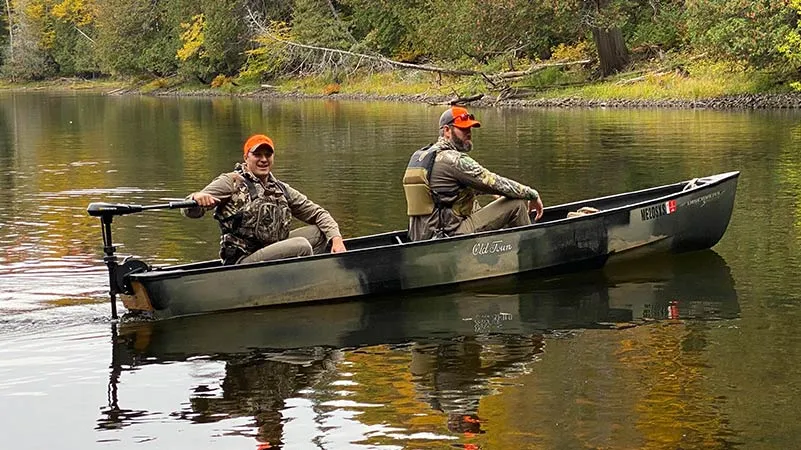
Motor canoes feature flat, wide square sterns designed to support compatible motors, gear, and improved tracking performance. Our stable square‑stern options are excellent for fishing, hunting, or general recreational outings.
Number of Paddlers
Solo canoes are perfect for paddlers who love exploring the water on their own. Compact and responsive, these agile crafts are lightweight, durable, and easy to handle, making them ideal for quiet outings, quick trips, or navigating narrow waterways with confidence.
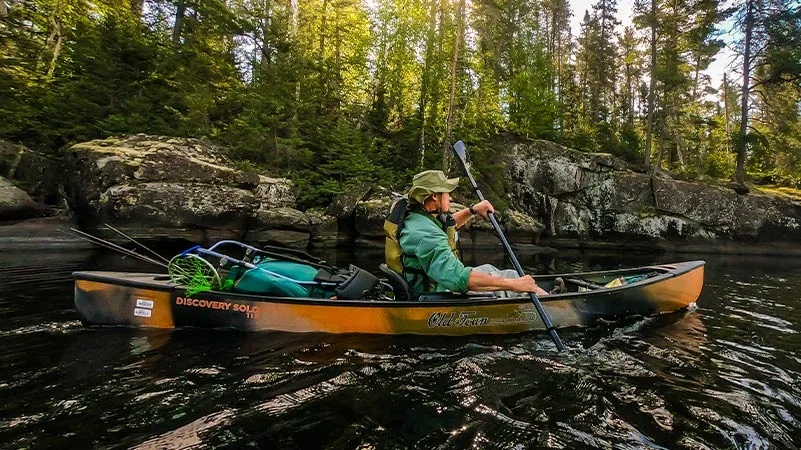
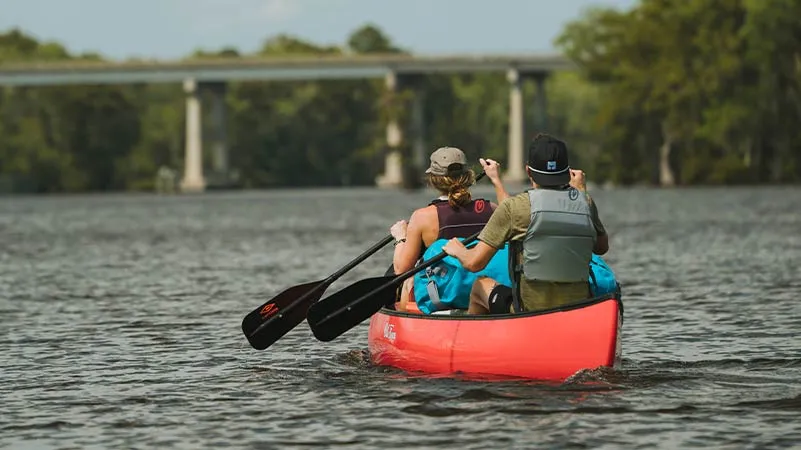
2-Person or tandem canoes offer efficiency, superior maneuverability and easier transport which is ideal for specialized paddling. These canoes are spacious and built to handle up to 2 paddlers comfortably for great on the water adventures.
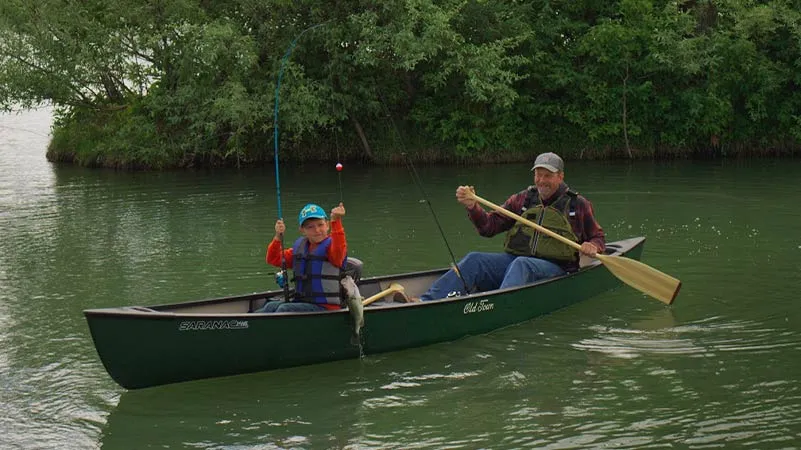
3-Person canoes offer a significantly higher capacity for larger families, groups, pets or for hauling extra gear. These canoes offer excellent tracking and stability with the option of a third or middle paddler, and also can accommodate extra room for fishing gear and storage.

Paddling Type
Single-bladed paddling is the traditional canoe technique, offering precise control and easy maneuverability. It works especially well for tandem paddling, allowing each person to balance the canoe by paddling on opposite sides. This style is ideal for navigating tight waterways or situations where quick, controlled strokes are needed.
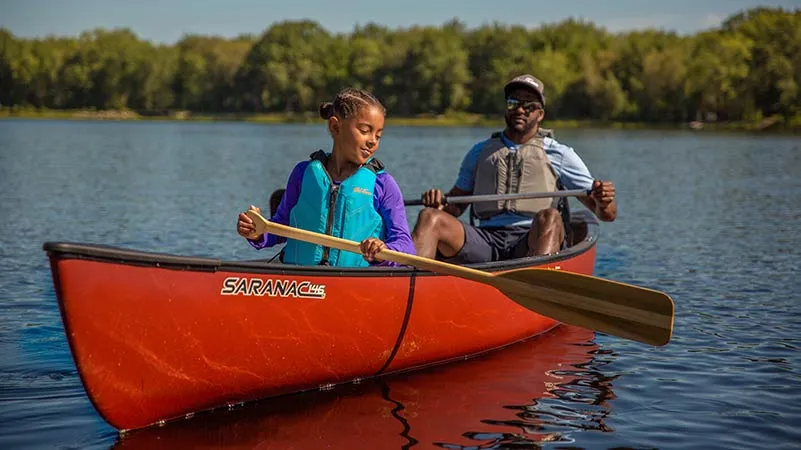
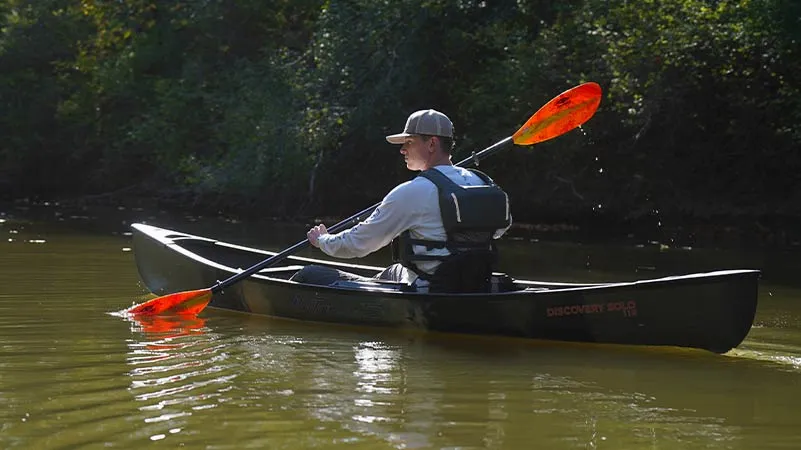
Double-bladed paddling provides steady momentum and efficient travel, especially in wind or waves. Solo paddlers often prefer it because it reduces the need for corrective strokes and helps maintain speed with less effort. While it offers smoother cadence, it can create more paddle drip and typically requires a longer paddle.
Types of Water
Canoeing on small lakes and gentle rivers offers a calm, close‑to‑nature experience. These quieter waters are great for beginners or anyone wanting an easy, peaceful paddle. Small lakes provide quiet solitude, while mellow rivers add just a hint of movement and changing scenery.
Paddling a canoe on large lakes or major rivers brings more adventure and more challenge. Wide‑open waters can create strong winds and rolling waves, and big rivers often come with faster currents and shifting eddies. These environments demand more skill but reward you with a sense of freedom and excitement.
Coastal canoeing is best for experienced paddlers, as tides, waves, and sudden weather changes can make the journey demanding. Still, the payoff is unforgettable: stunning coastlines, vibrant marine life, hidden coves, and the full energy of the open water. Canoeing here offers a powerful and immersive connection to nature.
Design
We have two manufacturing processes for our line of canoes.
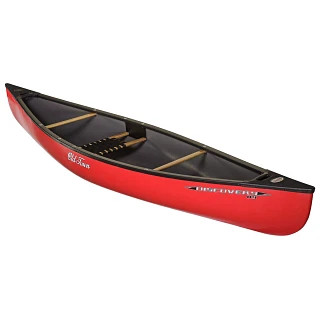
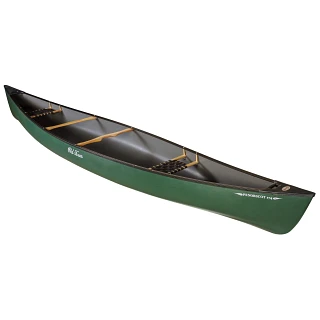
The first process requires rotationally-molding three-layers of polyethylene. This three-layer process is used to make our Discovery and Penobscot models.
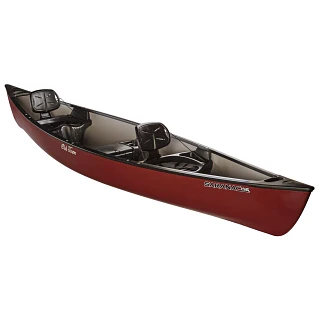
Our second process thermoforms a single layer of polyethylene into the shape of a canoe. The Saranac models are made using the thermoforming construction method.
Hull shape impacts how the canoe will perform on the water. Some of our canoes are designed with rocker (think of a banana laid on its back) for added maneuverability, while others are designed with flat hulls for maximum stability.
The rocker on a canoe is the amount of upward curve in a canoe’s hull from the center toward the bow and stern. It's important to consider the right amount of rocker as to where the canoe will be used.
More rocker means the ends lift higher off the water for better maneuverability, meaning that the canoe turns more easily which is ideal for rivers, rapids and tigheter passages.
Less rocker means a flatter bottom which allows for better tracking, best for lakes and long distances.
Size
Stability and capacity is largely associated with length and width. The wider and longer the craft, the more stable it will be. The narrower the craft, the more efficient it will paddle. Consider how you intend to use the canoe to determine what length and width makes the most sense for your needs.
The depth of a canoe is crucial for determining it's carrying capacity, wind resistance and resilience in waves. A deeper canoe is ideal for large loads and rough waters keeping paddlers and cargo dry in rough waters. A canoe that is more shallow in depth offers better stability, less wind resistance and will be easier to handle in lighter winds.
It is important to consider your weight and build, as well as the amount of cargo you think you’ll need room for. Always check the maximum capacity of the canoe to ensure it accommodates your weight and any gear you're bringing along.
Basics
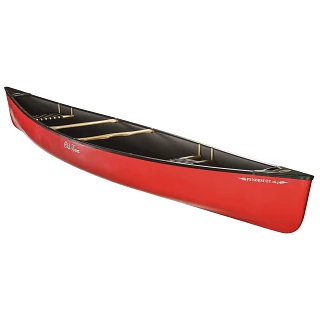
Understanding the different components of a canoe is key, as each design is tailored to specific activities and styles. Below are essential terms and parts that are common across most canoes:
Bow: Front of the canoe
Stern: Back of the canoe
Deck: Triangular, small corners at the top-most front and back of the canoe
Hull: Bottom of the canoe below the water
Rocker: Curvature of the hull from bow to stern
Keel: Runs along bottom of the hull from bow to stern
Gunwales: Top rim (edge) running length of canoe
Thwart: Cross-brace that runs from gunwale to gunwale for structural strength
Yoke: Shaped cross-brace at the center of canoe used for portage (carrying)
The right canoe for you should include all of the features that you'll need while enjoying the outdoors. Here are a few features you may consider:
Seating: Contoured or web seats; optional center bench
Rod Holders: Secure rods while fishing
Oar Locks: Secure oars to the boat
Motor Mount: Bracket for motor use
Rod/Paddle Clips: Keeps rods and paddles secured
Anchor Kit: Holds canoe in one spot on the water
Anchor Trolley: Adjustable anchor point
Rudder/Skeg: Assists with steering and tracking
Accessory Tracks: Easy on/off accessory mounting
Foot Braces: Adjustable bracing for comfort
Having the right essentials ensures safety, comfort, and efficiency. With these essentials you'll be prepared for a smooth and enjoyable canoeing trip:
- Paddles: Essential for maneuverability, choose one to match your kayak and paddling style
- Life Jacket: A critical safety item that keeps you afloat during unexpected situations
- Anchor: Useful for stability when fishing or resting in calm waters
- Transportation: Necessary to get your boat to and from the water safely while traveling
BOATS AND ADVENTURES THAT LAST A LIFETIME
Every hull, gunwale and seat goes thought the most meticulous and detailed design processes in the watercraft industry, ensuring our legacy of building the best canoes and kayaks continues. And we make sure the adventure never ends by offering a lifetime hull warranty.